
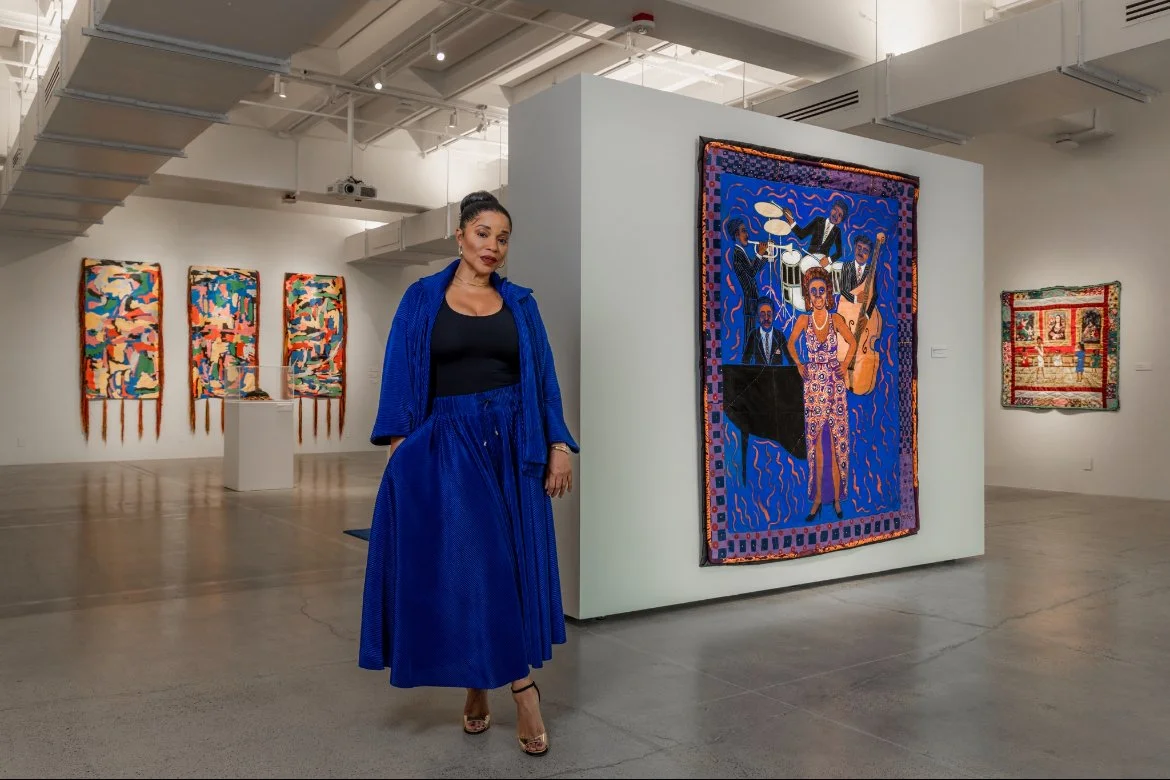
Faith Ringgold: Full Circle – The Teachings and Her Legacy
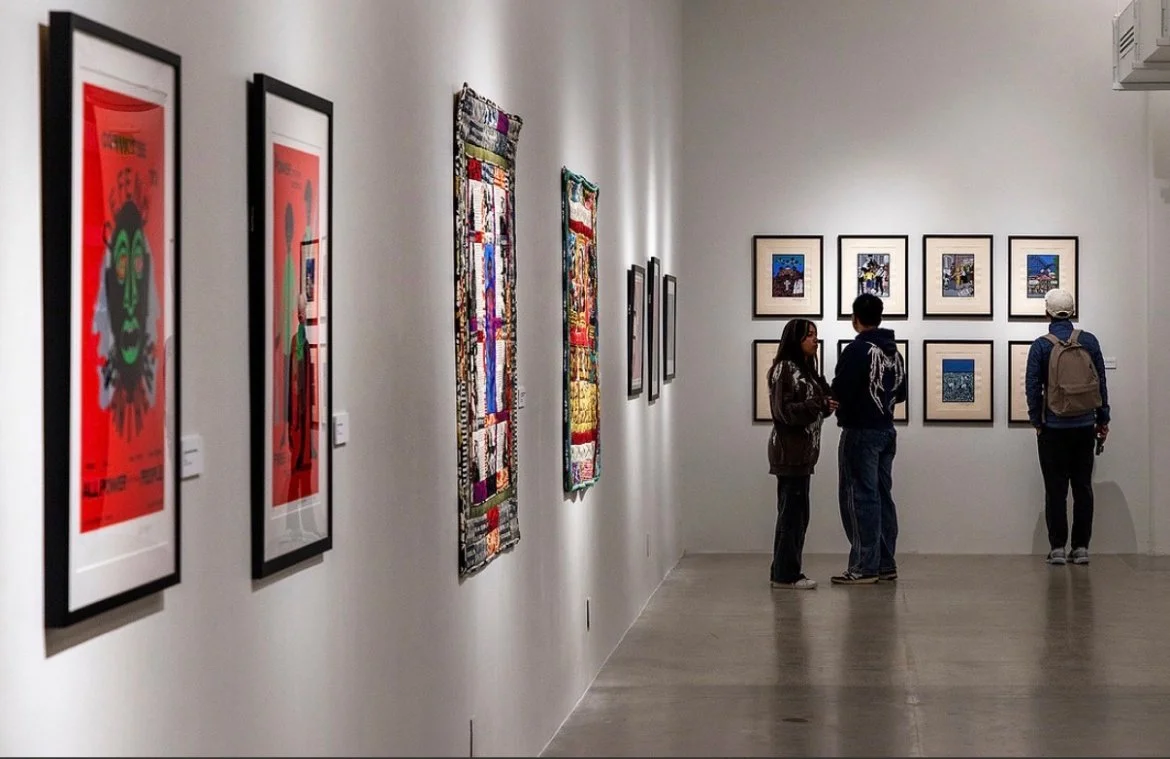
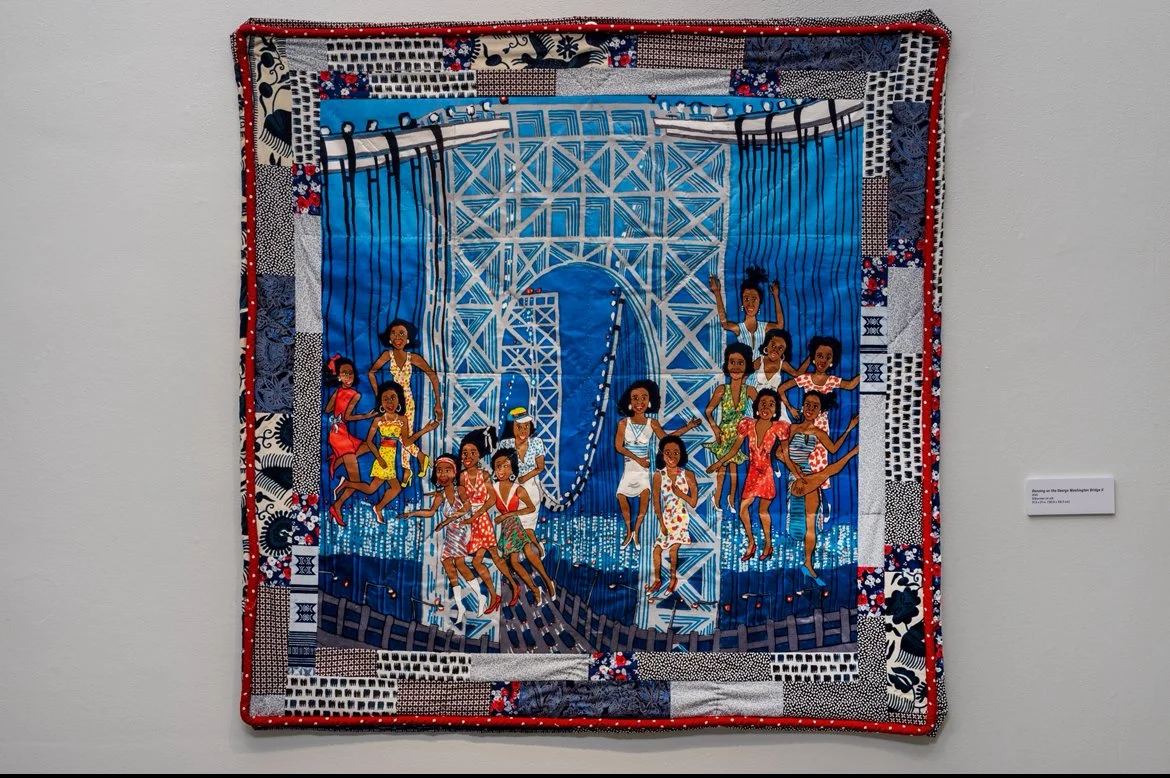
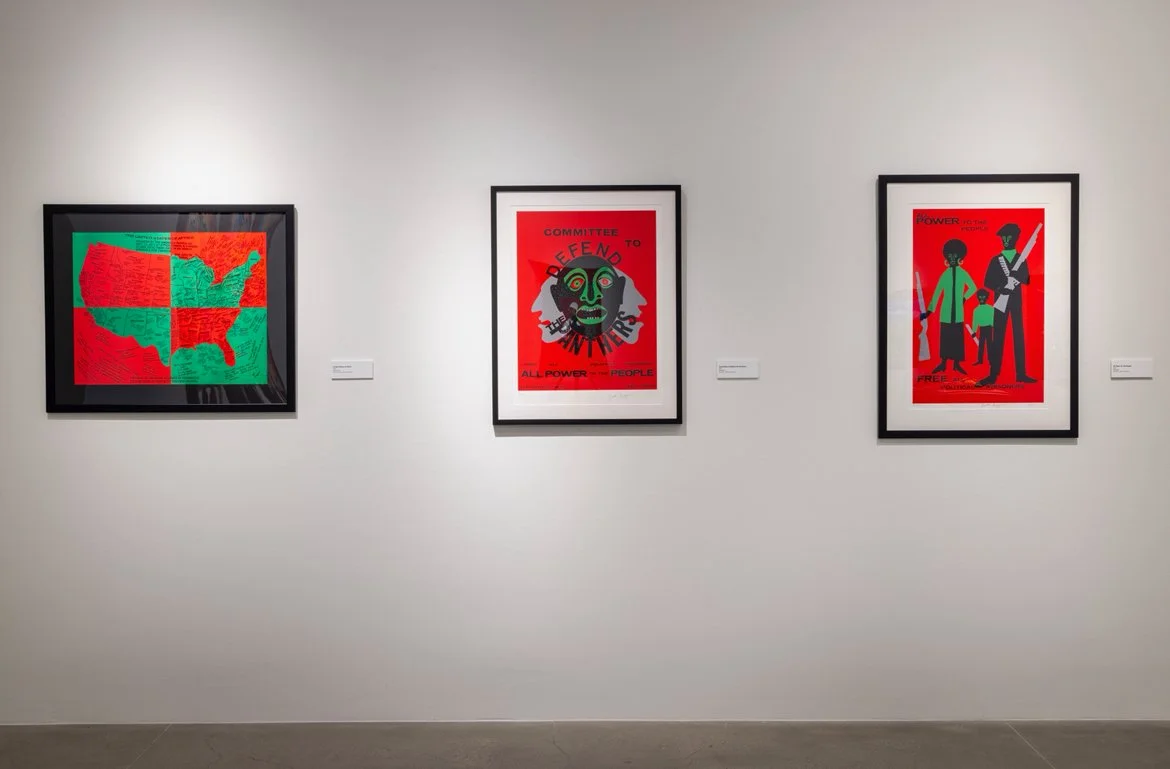
We are happy to share images of The Faith Ringgold Exhidition at the Mandeville Art Gallery!
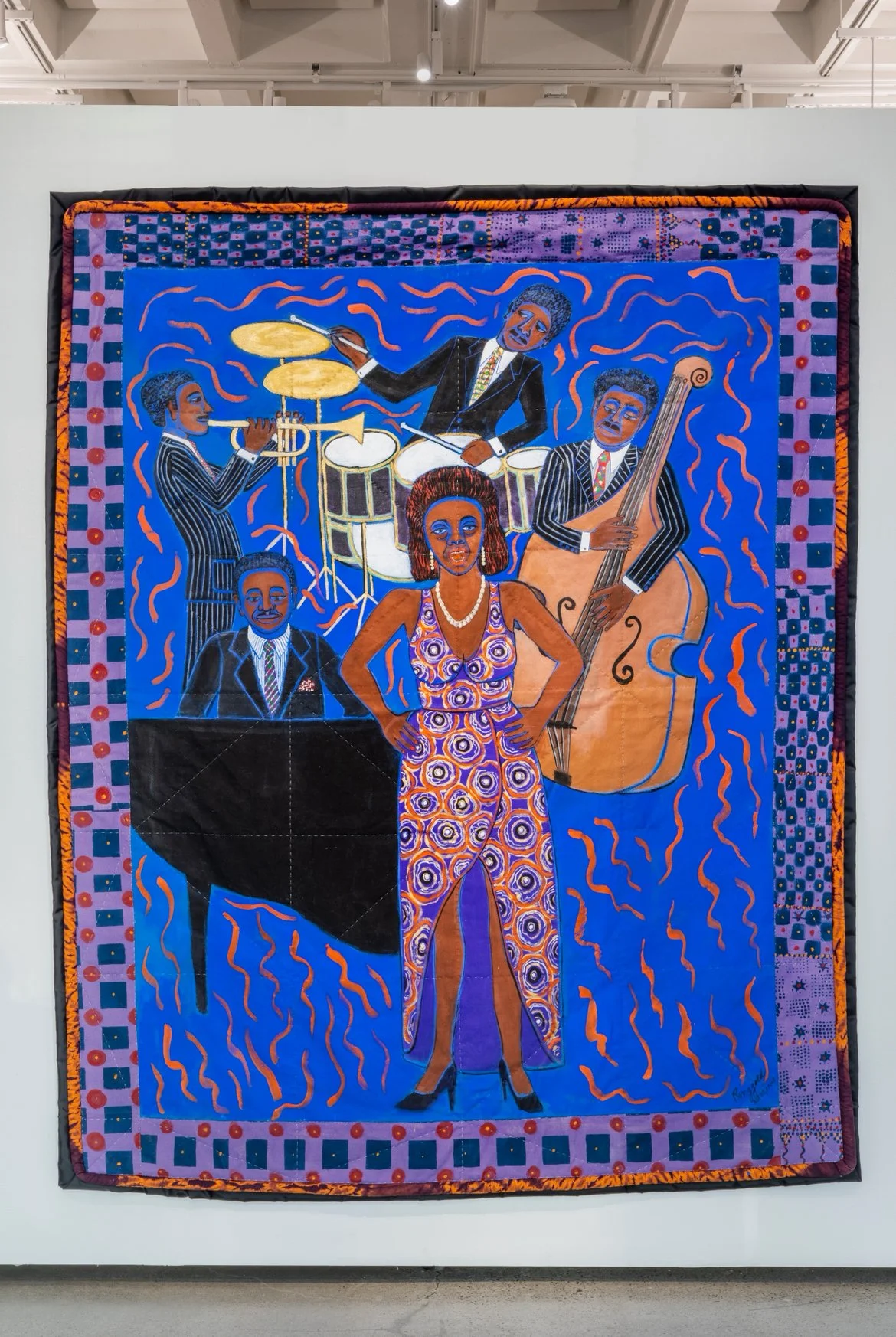
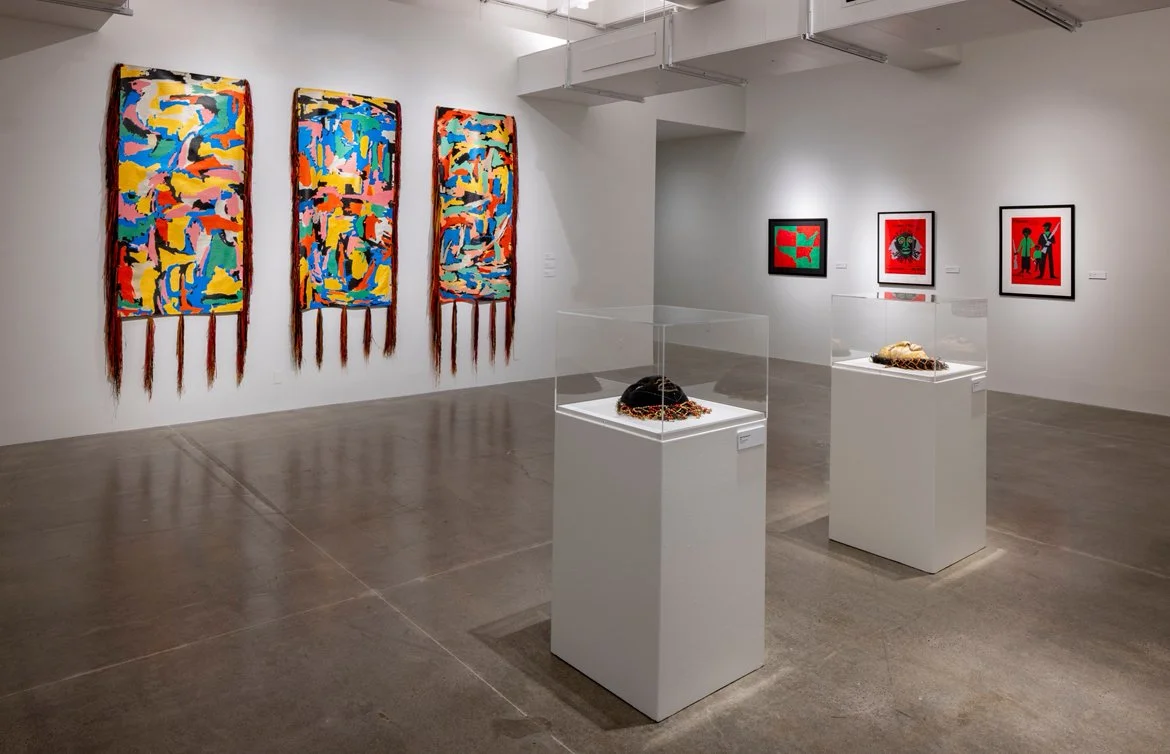
A Note From Our Founder
Dear Art Friends,
It is with great pleasure that I introduce our Faith Ringgold exhibition.
As a Harlem native, this project holds special significance for me. Faith’s legacy resonates deeply with my own experiences growing up in Harlem, New York. After nearly eight months of dedicated research into her life—as a mother, daughter, artist, and advocate for women artists—I can confidently say that Faith Ringgold is one of the most important artists in our nation’s history.
Her work opened doors for artists in spaces where they were once excluded.
Faith was a prolific storyteller and an unwavering educator who believed in empowering children to dream boldly. She was a devoted mother, a loving daughter, and a formidable force—using every medium available to express her cultural, political, and human rights perspectives.
Faith Ringgold stands as a true leader in the art world, and it is an honor to share her story.
I invite you to explore images from the installation and hope you will visit the exhibition before it closes on May 1.
With gratitude,
Mashonda
About the Exhibition
Faith Ringgold: Full Circle – The Teachings and Her Legacy
On view through May 1
This presentation features 19 works spanning 1976–2023, offering a powerful look into the breadth and evolution of Ringgold’s practice.
The exhibition also includes:
A film by Craft in America, featuring Faith in her Englewood, New Jersey home
A dedicated children’s corner, highlighting her beloved books and inviting young visitors into her world of storytelling
An immersive, multi-generational experience designed to engage audiences of all ages
About Faith Ringgold
Faith Ringgold (1930–2024) was a groundbreaking American artist, author, and activist whose work redefined the boundaries of fine art and storytelling.
Best known for her narrative quilts, Ringgold seamlessly combined painting, textiles, and text to tell powerful stories centered on Black life, identity, and the experiences of women. Emerging during the Civil Rights era, her work boldly confronted issues of race, gender, and social justice—challenging institutional barriers while creating space for future generations.
In addition to her visual art, Ringgold was a celebrated children’s book author, most notably for Tar Beach, inspiring young readers to imagine freedom, possibility, and self-determination.
Her legacy endures as one of the most visionary and influential figures in American art history.
About Mandeville Art Gallery
Located at the University of California, San Diego, the Mandeville Art Gallery is a dynamic contemporary art space dedicated to presenting innovative exhibitions and fostering meaningful dialogue around art and culture.
The gallery showcases work by both emerging and established artists from around the world, with a focus on interdisciplinary practices and socially engaged themes. Through exhibitions, public programs, and immersive experiences, Mandeville Art Gallery invites audiences to engage deeply with art as a reflection of cultural and historical narratives.
Thank you for showing up, supporting, and continuing to build community with us.
The Artist Intention Series: Tschabalala Self
The Artist Intention is a new interview series that goes beyond the surface, exploring the deeper purpose behind each artist’s work. Through intimate conversations, artists share the “why” behind their creations—unpacking process, inspiration, identity, and the stories that shape their practice.
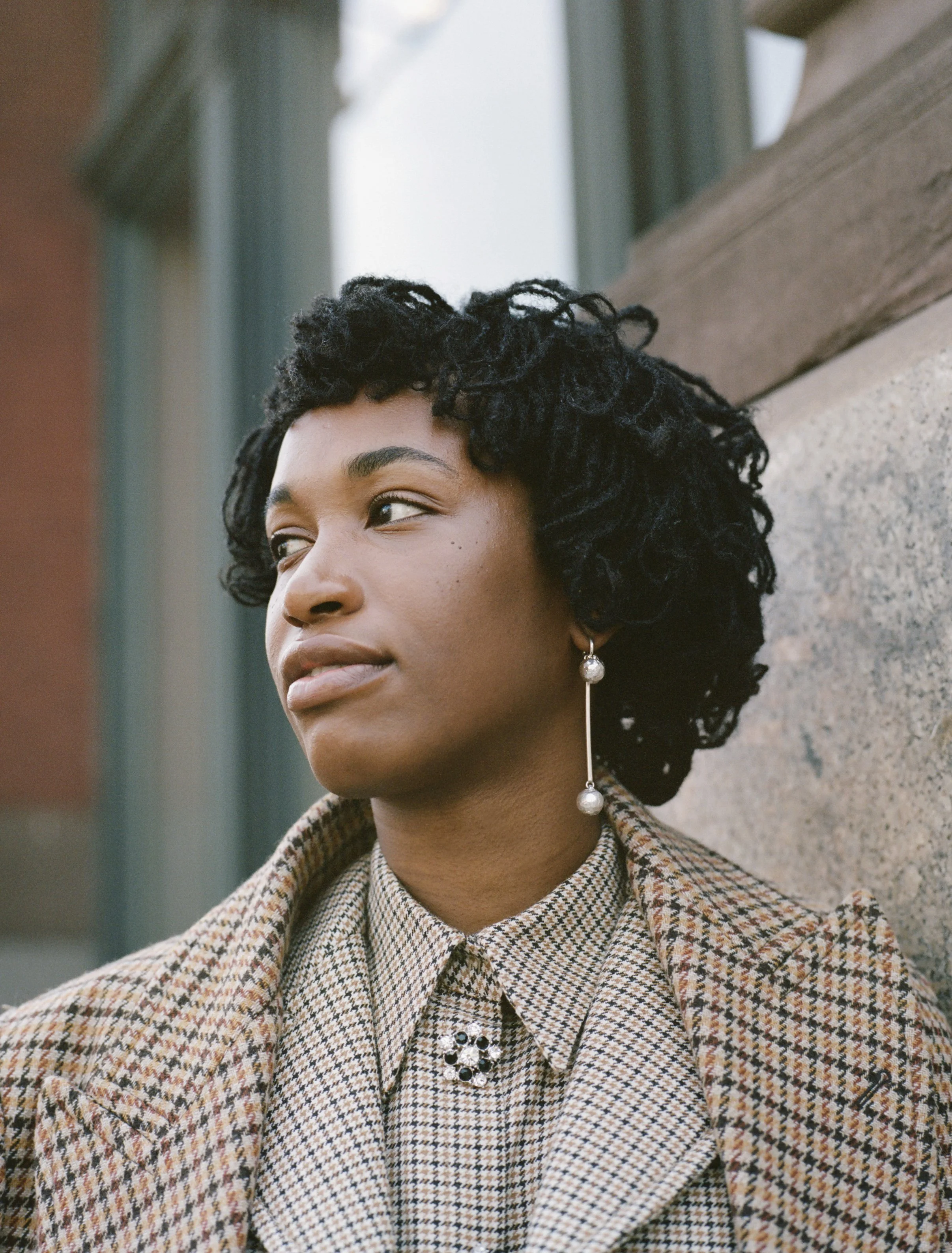
Interview
1. Growing up in Harlem and being raised by a community of women (including your mother), how have those personal experiences shape the confident, jubilant Black female figures that appear so consistently in your work?
Growing up, there were a lot of women in my household—my mother and three sisters outnumbered my dad and brother—so there was a strong feminine energy in our family home. When I think about my characters, I consider both their individual traits and what they share. The women in my paintings have so much in common, yet each has her own sensibility, persona, and aesthetic. I explore both my figure’s sameness and their diversity. They are sisters not twins.
2. You’ve spoken about knowing you wanted to be an artist from a very young age—what early memories or moments first sparked your interest in combining painting with textiles and everyday materials?
I developed my current style of painting during my second year of graduate school. At that time, I was doing a lot of printmaking. My current practice really grew out of my early experimental printmaking techniques. The use of calligraphic plates and monoprinting informed the development of the appliqué elements in my current works. While working in printmaking, I was primarily making works on paper, and I wanted to transition to working on canvas. That shift came through a series of experiments with the printing press and my matrices, as I tried to recreate the presence and physicality of the plate itself. Once I realized that the plates were where most of my focus and energy lived, I began rebuilding them out of fabric. At that point, the printing press was effectively replaced by the sewing machine. Where the press once functioned as an extension of my hand, the sewing machine now functions as such.
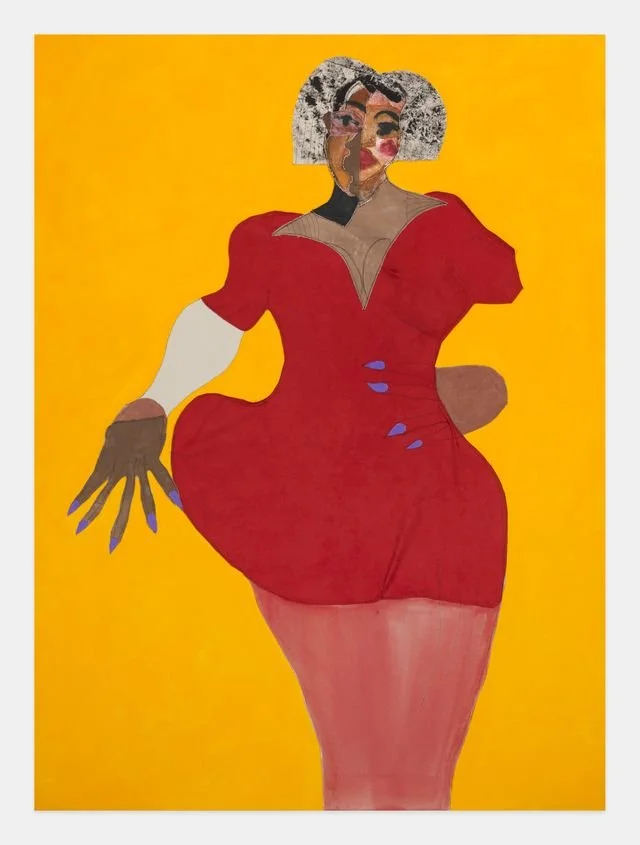
3. In “Evening”, the figure appears ready for a night out in a striking red velvet gown that extends beyond the canvas, against a bold monochromatic yellow background—what inspired this sense of occasion or preparation, and how does the title “Evening” relate to the mood or narrative you’re evoking?
I often title my works once they’re complete or near completion. With the work Evening, once she was finished, I felt like she was a woman preparing herself—either for an event, to be in the company of a lover, or to be among a group of people—something festive. That’s how the title came about.
4. In works like Evening, where the figure appears so composed, self-loving, and gazing outward with a quiet confidence—almost meditative in her detachment from the viewer’s gaze—how do themes of spirituality, inner reflection, or meditative states inform your portrayal of these Black women? Do you see the process of collaging and layering materials as a kind of meditative or spiritual practice in itself, one that helps reconstitute not just the physical body but also a deeper sense of inner wholeness, presence, and human flourishing for your subjects?
Yes, one that helps reconstitute not just the physical body, but also a deeper sense of inner wholeness, presence, and human flourishing for the subjects. I think that making artwork, in general, is a spiritual endeavor. That’s why people often refer to art-making as a practice. For me, making the work is a devotional gesture, and the work itself stands as a testimony.
The Artist Intention: Tschabalala Self on Reclaiming the Body
In this edition of The Artist Intention, we explore “Evening” the work of Tschabalala Self, an artist whose practice boldly redefines representation, material, and identity through a deeply personal and cultural lens.
Tschabalala Self
Evening, 2019
Oil, acrylic, Flashe, gouache, fabric, painted canvas and polyester fiber fill on canvas
68 × 50in. (172.7 × 127cm)
Collection Museum of Contemporary Art San Diego
Museum purchase with funds from the International and Contemporary Collectors, 2019.28
© Tschabalala Self. Courtesy of the artist and Thierry Goldberg Gallery.
The Artist Intention is a new interview series that goes beyond the surface, exploring the deeper purpose behind each artist’s work. Through intimate conversations, artists share the “why” behind their creations—unpacking process, inspiration, identity, and the stories that shape their practice.
The Artist Intention Series: Toyin Ojih Odutola
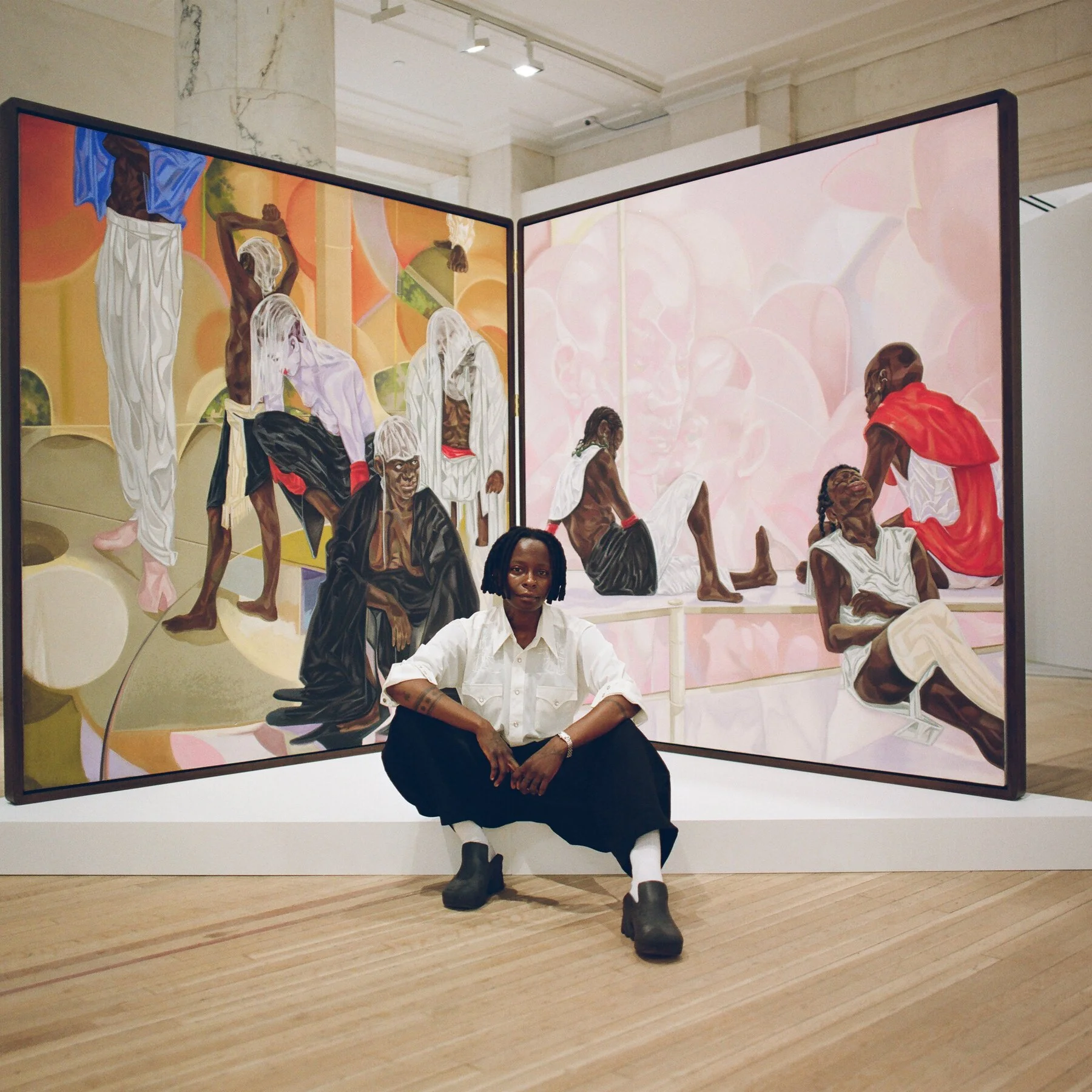
Interview
1. Born in Nigeria and growing up in Alabama after your family moved to the U.S., how has that dual experience—of early Nigerian roots and coming of age in the American South—shaped your exploration of ambiguous figures, personal/national identity, and Black identity in your drawings?
Practically, I consider myself West African & Southern American. This regional arrival disavows the scramble of the Berlin Conference's false borders, which do not apply to my understanding of that geography’s reality, and considers where I spent most of childhood. If pressed further, I’d claim my Yoruba and Igbo heritage, specifically. This inherently complicates any tidy identification. I’m used to the idea that within my own narrative, what is permissible to a migration log sheet will never contain these shifting foundations. It’s not so much having a dual experience but a multi-faceted reality, where distinct places hold variegated parts of yourself. The question becomes what can you do when you're present in such disparate locales? How do you find belonging, or rather, how do you shape your understanding of belonging when shifts in context are your reality? It became clear at an young age that the idea of identity was a means for how I was read by a system, rather than how I chose to define myself. Change is the true constant, and the fact that I realized this early provided a method for engaging with how change could be applied by my agency rather than imposed by forces beyond my control. This is exemplified in the figures of my drawings: all that they can include in a seemingly singular body, how they elude flattening definitions. The very notion of drawing as unfinished project (as opposed to the finality of painting) was the appeal. Where these drawings take place will always hold West Africa and the American South — and all the places in-between that are meaningful to me. The work has room to breathe, to shift according to where it finds itself and who encounters it— and the characters within it are free from containment.
2. Your distinctive mark-making—building intricate layers with materials like pastel, charcoal, and pencil to create textured, almost painterly skin and forms—how did this approach evolve from your early ballpoint pen work, and what draws you to these dry media for conveying depth, topography, and narrative in your portraits?
I believe tactility holds meaning. By playing with the surface, where smooth, mild and rougher textures build a landscape, the specificity of persons, places, or objects, are malleable. There’s freedom in that, because it allows for access. If something is all smooth or all rough, it can be exclusionary. I like to include as many marks in concert as I can to build the picture, so there’s multiple languages with which we can engage. Since I started with ballpoint pen, I saw the figure as a landscape, full of memories and histories and levels of interiority. As the materials expanded to include dry media of charcoal, pastel and pencil, I’m able to intersect narratives in ways that are surprising and fruitful. The aim throughout is to offer options for us to see how we can form and incorporate worlds not simply pile on perspectives or extract those perspectives for transactional usage.
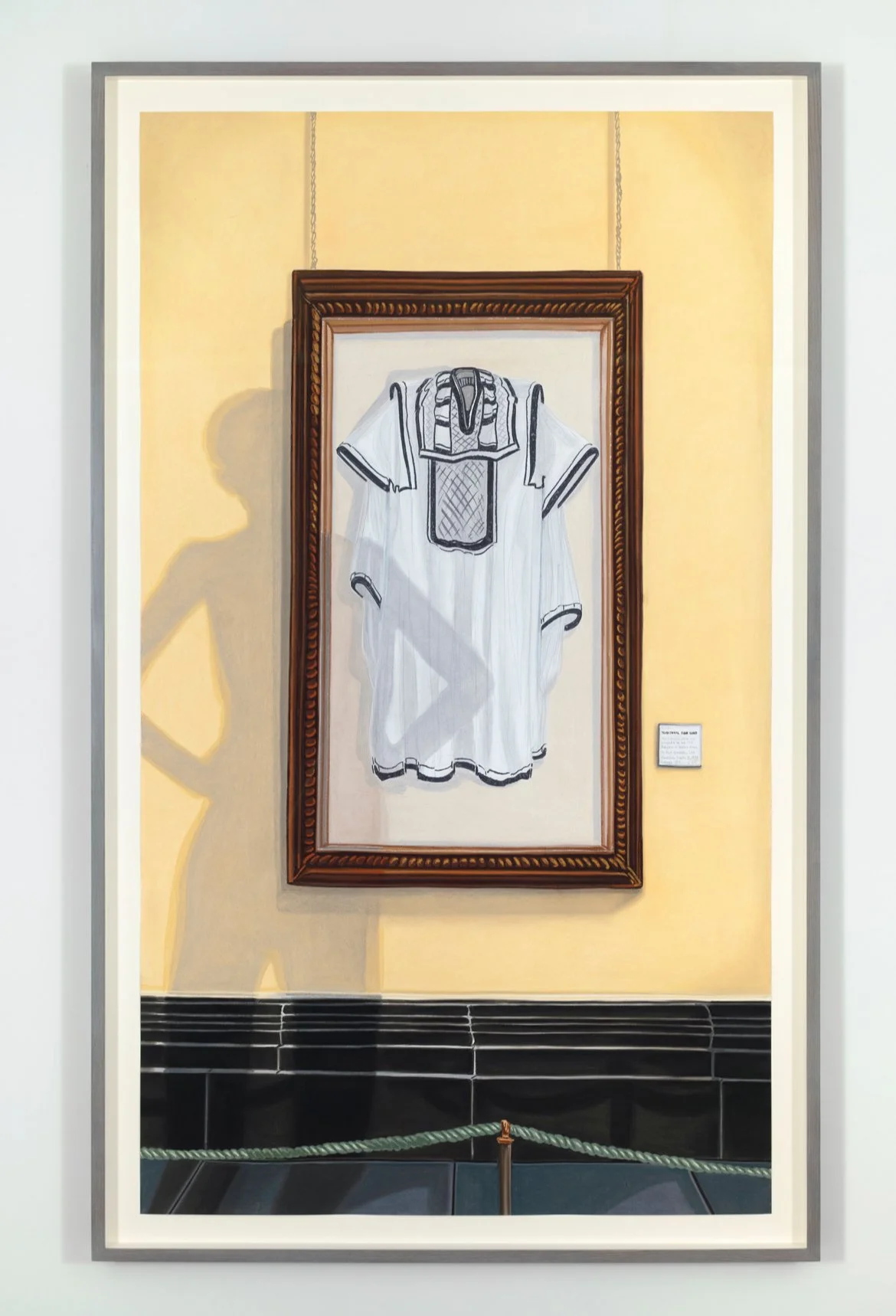
3. In On Loan, the framed and roped-off garment—displayed with such reverence yet cast under an implied viewer’s shadow—feels like it carries profound intimacy and weight, almost as a sacred heirloom bridging the personal and the institutional. Drawing from your explorations of grief as a beautiful, ongoing process and a tool for meditation, how might engaging with such an object serve as a meditative practice for healing and connecting with ancestors who have transitioned?
In the context of your fictional family’s collection and the idea of something “on loan,” does the garment evoke an ancestral presence or inheritance—one temporarily shared across generations or realms, inviting quiet reflection, ancestral communion, and spiritual reconciliation?
“On Loan”, specially, occupies a narrative aspect of the larger series The UmuEze Amara Clan & House of Obafemi, where objects that hold spiritual and ritualistic weight can become trapped by institutional frames. To pack something into a neat presentation which holds vast memories, functions and purposes from one culture only to translate to a single definition or afterthought in another. There is grief in this picture in how the shadow holds a yearning to engage with the traditional attire (Agbada) on display: something that is meant to be worn, and/or was once worn by someone of import — now inaccessible through a glass frame and added station rope. I believe the artwork asks of us what these methods of preservation actually protect? From whom are they protected? Is this the best way to engage in reverence with an artifact from our collective histories?
The Artist Intention: Toyin Ojih Odutola on Identity, Memory, and Inheritance
In this edition of The Artist Intention, we explore “On Loan” the work of Toyin Ojih Odutola—an artist whose drawings challenge fixed notions of identity while reimagining how history, culture, and memory are preserved and understood.
Toyin Ojih Odutola
On Loan, 2018
Pastel, charcoal, and pencil on paper
Sheet: 73 1/2 × 41 1/4in. (186.7 × 104.8cm)
Framed: 80 1/8 × 48 1/8 × 2 1/2in. (203.5 × 122.2 × 6.4cm)
Collection Museum of Contemporary Art San Diego Museum purchase with funds from the International and Contemporary Collectors, 2019.27
© Toyin Ojih Odutola. Courtesy of the artist and Jack Shainman Gallery, New York.
Audio Art Journey: Inscape At The Stuart Collection
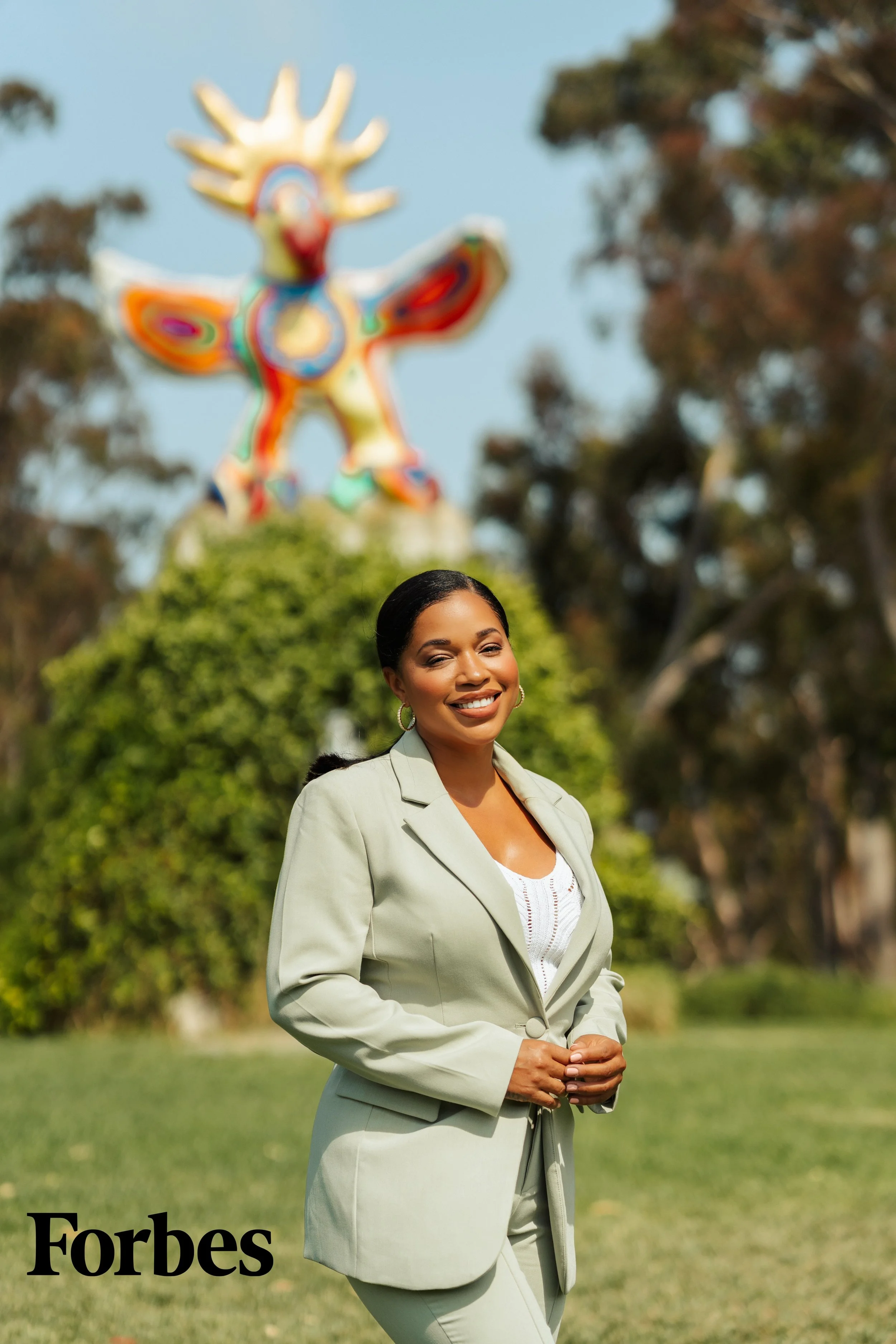
Last summer, when writer, curator, singer, and performer Mashonda Tifrere met Jess Berlanga Taylor, Director and Curator of the Stuart Collection at UC San Diego, she knew she had found her art family. The meeting sparked a creative partnership that has now blossomed into Inscape, a groundbreaking audio guide project blending Mashonda’s twin passions for art and wellness.
The Stuart Collection is one of San Diego’s hidden gems, featuring works by renowned artists such as Robert Irwin, Barbara Kruger, Niki de Saint Phalle, Do Ho Suh, Elizabeth Murray, Mark Bradford, Jenny Holzer, and John Baldessari. While the collection has long been a remarkable if under-the-radar cultural treasure, Inscape offers visitors a new reason to explore it: an immersive, contemplative experience that turns a sculpture walk into a journey of self-connection.
“This project’s experiential nature immerses visitors in the Stuart Collection by creating a personal, contemplative connection with each piece,” says Berlanga Taylor. “Mashonda’s passion for both artistic expression and mindful reflection is obvious in the curation of this experience.”
Mindfulness in Motion
Mashonda describes Inscape as a kind of mental mindfulness parkour. For each artwork, she uses her warm and steady voice to share insights about the artist, the work, and when possible the inspiration behind it. She then guides visitors through simple mindfulness practices, encouraging them to pause, reflect, and connect with the art on a deeper level.
“It was beautiful for me to create this new lens of wellness and intentionality for the art viewer,” Mashonda says. “To look at art as this portal to wellness and transformation.”
San Diego as a Creative Haven
For Mashonda, Inscape is as much about place as it is about process.
“San Diego is my safe haven,” she says. “I couldn’t have done this project anywhere else because San Diego provides so much peace and so much nature. And that’s exactly what I needed to be enveloped in to create the Inscape Project.”
With Inscape, visitors to the Stuart Collection can expect more than a tour, they’ll embark on a meditative journey, guided by one of today’s most versatile creative voices, discovering not only the art before them, but also a deeper connection within themselves.
Read more HERE
Somewhere In Between
Curated by Mashonda Tifrere
July 26 – August 16, 2025
Quint Gallery, La Jolla, CA

Victor Ubah - Serenity Shore, 2024
Art Genesis is proud to announce Somewhere In Between, a summer group exhibition curated by Mashonda Tifrere of Art Genesis, in collaboration with Quint Gallery. The exhibition will be on view from July 26 – August 16, 2025, with an Opening Reception on Saturday, July 26, from 6:00–8:00 PM at Quint Gallery in La Jolla, CA.
Conceived by Tifrere as an exploration of dimensionality, Somewhere In Between weaves together narrative and abstract paintings alongside ceramic sculptures—each serving as an expressive portal into intangible realms and metaphysical landscapes.
Featured Artists
Victor Ubah (Lagos, Nigeria) | Taylor Chapin (San Diego, CA) | Megan Gabrielle (New York City & Sacramento, CA) | Sasha Koozel Reibstein (San Diego, CA) | Nathan Wong (Sonoma, CA) | Elizabeth Waggett (Manchester, UK / Texas)
About Quint Gallery
Founded in 1981 by Mark Quint, Quint Gallery has been a cornerstone of San Diego’s contemporary art scene for over four decades. Across nearly twenty locations and countless exhibitions, the gallery has championed both internationally acclaimed artists and those of the Southern California–Baja region, operating on an artist-first model that values risk-taking and adventurous work.
You can read more about Mashonda’s work and vision for Somewhere In Between in these recent features:
Mashonda Tifrere’s “Somewhere In Between” Opens in San Diego – San Diego Magazine
Exhibition Details
Quint Gallery – 7722 & 7655 Girard Avenue, La Jolla, CA 92037
July 26 – August 16, 2025
Open by Appointment
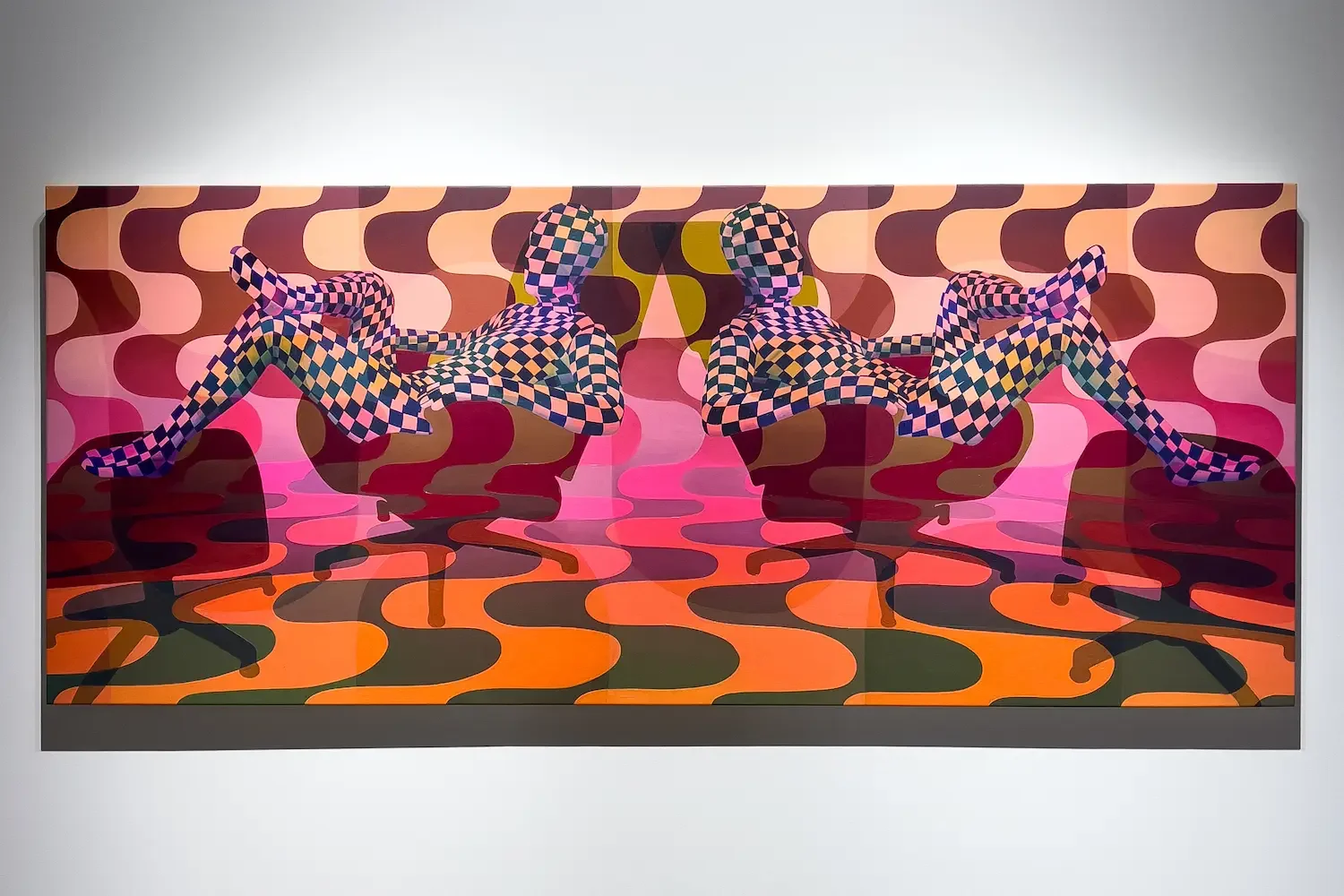
Taylor Chapin’s Fever Dreams (2025)
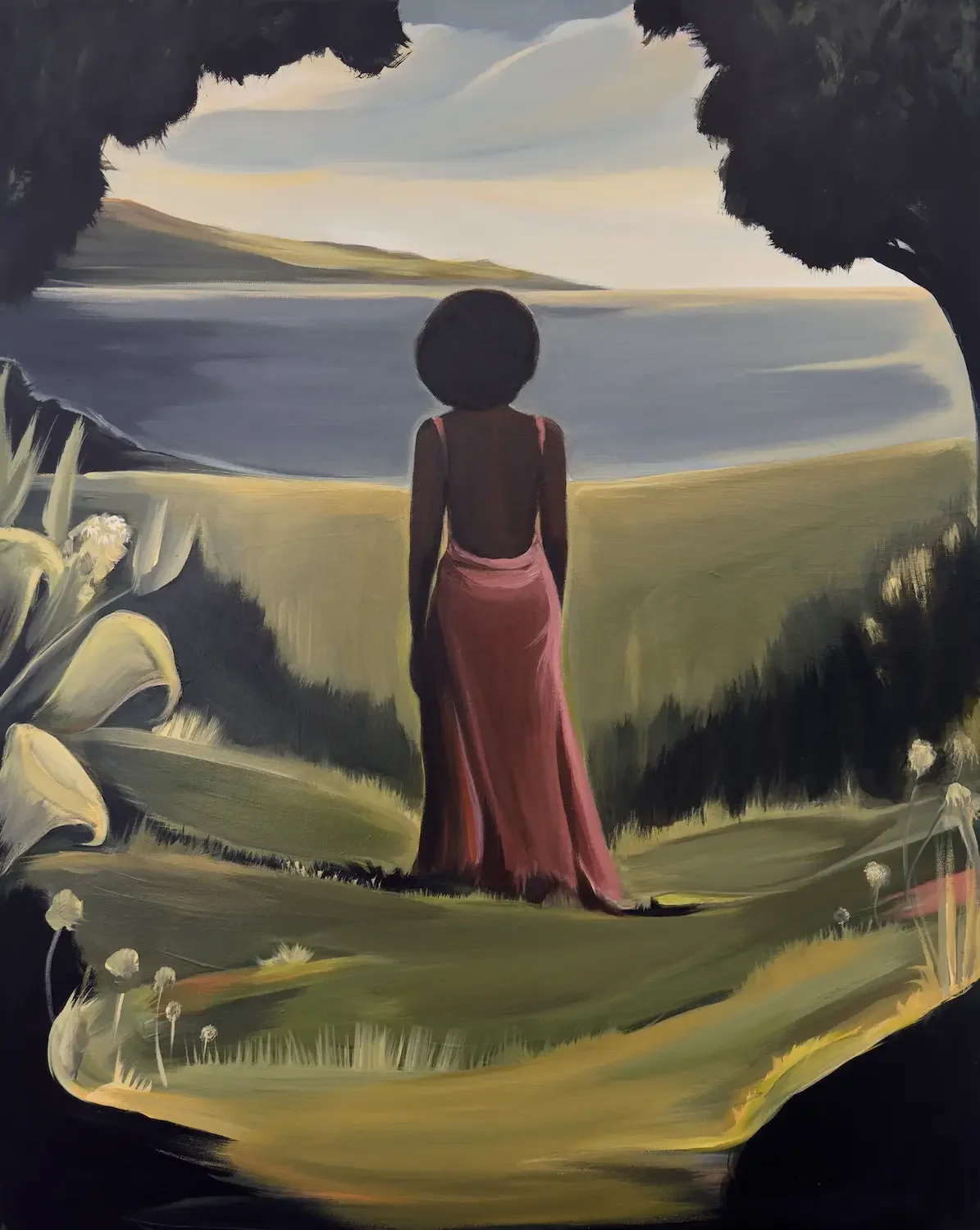
Megan Gabrielle’s Cala Violina (2025)
ArtLeadHer Presents: Roots and Realms
Gift From The Otherworld

ArtLeadHer proudly presents Roots and Realms, a stunning exhibition showcasing the works of Rugiyatou Ylva Jallow. This powerful collection delves into themes of identity, heritage, and cultural connection, offering a deeply personal yet universal exploration of self-discovery.
ABOUT THE ARTIST
Rugiyatou Ylva Jallow (b.1990 in Stockholm, Sweden), currently residing in Los Angeles, is a Swedish-Gambian visual artist known primarily for her work with acrylic, oil paint, and her use of threads. Her bold self-portraits ensnare emotivity as each layer resonates with the artist's internal and outward struggle of feeling distanced from the world around her, as she reconciles the dichotomies of bridging multiple cultures as a mixed woman.

Thresholds of The Unknown
Raised by her Gambian father and stepmother, Rugiyatou was immersed in West African values and culture throughout her life in Sweden. She credits her Swedish mother and grandmother as early artistic influences, inspiring her to begin painting from a young age. Her upbringing has deeply influenced her work, leading her to portray black subjectivity and explore her mixed Swedish-Gambian identity and the complexities surrounding belonging.
Jallow’s use of color to depict black, white, and mixed skin tones, along with her distinctive application of threads, serves as a visual representation of equality and connection across races. The floating hands symbolize ancestral presence, offering protection and embrace. Bright colors further emphasize the artist’s profound connection to nature and her sense of belonging on Earth.

Sacred Shields
Check out Roots and Realms opening night during Frieze LA and experience this moving exhibition firsthand. Currently on view at NeueHouse Venice until May 17th.
Please RSVP at info@artleader.com


Navigating Colorism: The Impact of Amy Sherald's Grayscale Portraits
Amy Sherald is an artist renowned for her unique approach to portraiture, particularly in how she navigates the complexities of race and identity through her work. Her exhibition has sparked conversations that often reveal the underlying tensions associated with the "white gaze." The term refers to the societal tendency to view the world through a white lens, influencing how people of color are perceived and represented. This essay will explore Sherald's artistic technique and the implications of her work in the context of the white gaze, drawing on a personal experience that underscores these themes.

To Tell Her Story You Must Walk in Her Shoes (2022).
While attending the Amy Sherald exhibition at the San Francisco Museum of Modern Art, I experienced a thought-provoking interaction with an older white woman that highlighted the complex themes of colorism and representation within the realm of art. Without introducing herself or exchanging pleasantries, she approached me, her expression filled with judgment and confusion. The first words she spoke, while examining the hue of my bare hand, were, “May I ask you something? You are a woman of color to some extent. What is your opinion on her portrayal of skin tones?” Initially taken aback by her phrasing, I needed a moment to collect myself and respond thoughtfully. “Are you referring to the grayscale?” I inquired. “Yes,” she replied, her tone somewhat frantic. “I believe that black individuals should be depicted in black; the gray is unappealing.” She continued to voice her dissatisfaction with Sherald's representation of skin tones. Her comments were striking, revealing a limited perspective on racial identity and the nuances of colorism. Not only was she critical of Amy’s artistry, but she also made assumptions about my skin tone and its relation to my identity as a black person, suggesting that my lighter complexion somehow made me black “to some extent.” This interaction could have easily escalated had I not chosen to respond with a sense of higher awareness. Acknowledging that the woman was at least seventy-five years old, I was determined not to let this encounter mar the enjoyable day I had planned at the museum. Despite my initial shock, I opted to engage her, understanding that art often provokes challenging yet essential discussions. I kept my response concise: “Amy uses gray for skin tones to encourage viewers to focus on the humanity of her subjects.” I also gestured toward a nearby video room where a short documentary about Amy was being screened, providing further context about her work. In response, the woman rolled her eyes and bluntly stated, “Well, the people are black, and the gray looks awful.” The interaction prompted me to reflect on the persistent feeling of exclusion that many of us experience in such spaces. I questioned whether her reaction would have been as intense if Amy Sherald were a white artist creating portraits of gray individuals. This contemplation deepened my appreciation for my work within the art community and reinforced my commitment to advocating for Black and Brown artists. Ultimately, it seemed that this woman was less than pleased with the presence of a Black female artist occupying the entire fourth floor of the museum, showcasing fifty portraits of Black individuals.

The concept of the white gaze is crucial in understanding this interaction. It denotes how the default perspective in society is often that of white individuals, leading people of color to navigate their identities and expressions with an awareness of how they will be received by a predominantly white audience. This power dynamic establishes whiteness as the norm, rendering other racial identities as secondary or in need of justification. In this context, Sherald's work becomes a powerful commentary on these dynamics, challenging the viewer to confront their own perceptions and biases.
A Mid-summer Afternoon Dream, 2021

As Soft As She Is, 2022
Sherald's decision to paint her subjects in grayscale is a deliberate choice that complicates the traditional understanding of race and color. In her interviews, she articulates a desire to present her characters as multifaceted individuals, transcending the limitations often imposed by color. By employing grayscale, she removes the immediate associations tied to skin tone and invites viewers to engage with the humanity of her subjects rather than reducing them to mere representations of race. This technique serves as a form of resistance against the color-as-race paradigm, allowing Black figures to occupy space within the historically white portraiture tradition.
In this way, Sherald's art not only challenges the viewer's perceptions but also reclaims agency for her subjects. By focusing on the inner lives and emotions of her characters, she elevates their existence beyond societal stereotypes and expectations. This approach fosters a deeper connection between the viewer and the artwork, encouraging empathy and understanding.

Photo by Olivia Lifungula, Courtesy Hauser & Wirth
The encounter with the older woman at the museum prompted me to once again reflect on the state of humanity as we approach 2025. While I have many white friends and colleagues who are actively engaged in forward-thinking discussions, there remains an urgent need for open dialogue about race, representation, and the intricacies of colorism. Sherald's work is a crucial contribution to this discourse, emphasizing the necessity of acknowledging and dismantling the preconceived notions that arise from viewing art through outdated frameworks.
During a recent conversation between Amy and one of my favorite authors, Ta-Nehisi Coates, Amy articulated her mission-
“It is about letting go of looking at people looking at me.”
For me, this signifies that as a Black person in these spaces, the emphasis should be on our inner experiences and perspectives rather than external judgments. Focusing on our interiority allows for a deeper exploration of identity and authenticity, fostering a richer understanding of ourselves and our narratives within the art world and beyond.
Amy Sherald: American Sublime
San Francisco Museum of Modern Art
November 16, 2024–March 9, 2025
Whitney Museum New York
April 9 2025- August 2025
The Smithsonian’s National Portrait Gallery
September 19, 2025 - February 22, 2026

ArtLeadher Presents:
“Uninterrupted Resilience”– Celebrating 10 Women Artists at the Diane von Furstenberg Flagship Store.

Opening October 9th - November 8th
“Resilience begins with a purpose that transcends the self; this serves as the foundation upon which women construct their lives. Our capacity to discern and recover is enriched by the insights gained through experience and fueled by our passions.” - Mashonda Tifrere
Rugiyatou Ylva Jallow
The exhibition will feature the remarkable works of ten visual artists: Lindsay Adams, Alanis Forde, Martine Johanna, Sophie Kahn, Annette Hur, Kandy G. Lopez, Rugiyatou Yiva Jallow, Bre Andy, Anoushka Mirchandani, and Natia Lemay. Their varied creations encompass sculpture and fiber art, showcasing a dynamic selection of contemporary abstract, portrait, and figurative paintings from both emerging and early-career artists.
Through this meaningful collaboration, ArtLeadHER seeks to celebrate the talent, strength, and breadth of women’s artistic contributions. We invite you to immerse yourself in and connect with these powerful artistic expressions.
The Diane von Furstenberg flagship gallery is renowned for its dedication to artistic and cultural endeavors. A fashion designer and philanthropist, Diane von Furstenberg is recognized for her impact on fashion and her unwavering commitment to women's empowerment and creativity.
“The older I get, the more impressed I am with women. I have yet to meet a woman who is not strong. They don’t exist.” - Diane von Furstenberg

Lindsay Adams


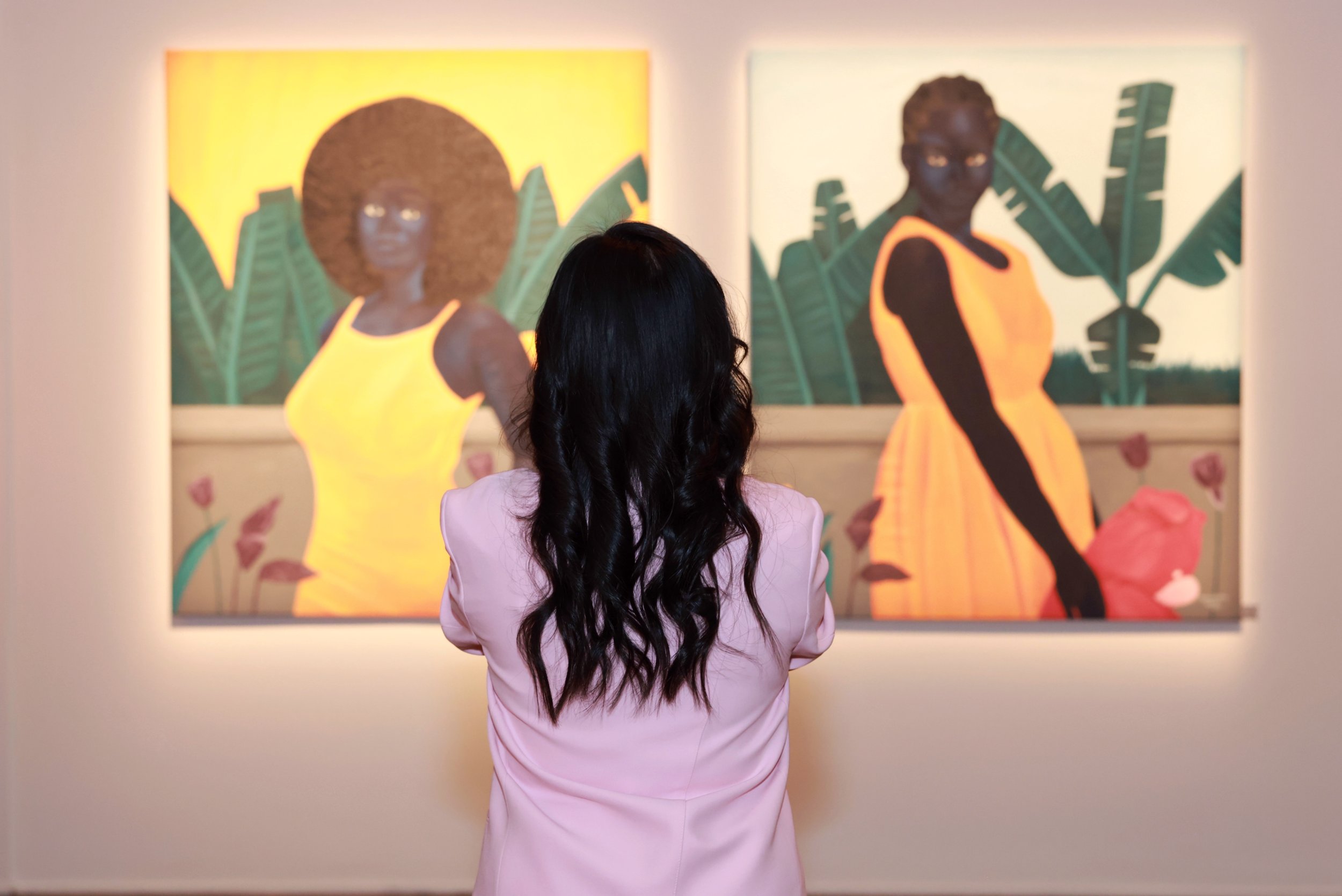

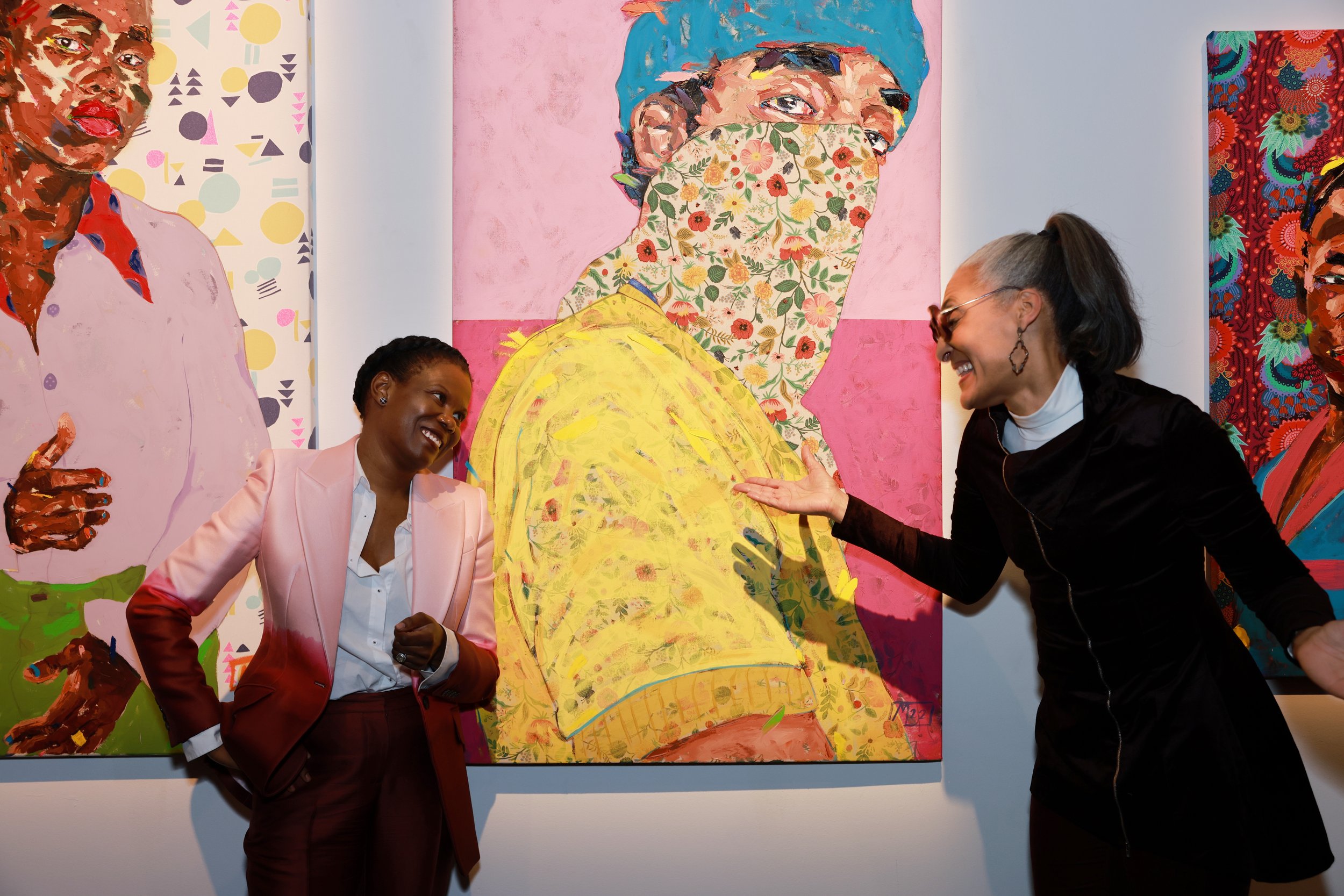
ECHOES OF TOMORROW: WE ARE THE FUTURE ANCESTORS
CURATED BY: MASHONDA TIFRERE


Artist Shakka Smith (photo on the left) Artist Jamel Shabazz (photo on the right)
Echoes of Tomorrow: We Are The Future Ancestors is an exhibition running from June 12th- June 26th at the Oculus World Trade Center.
Gallery Details | Wednesday- Sunday 12pm-7pm
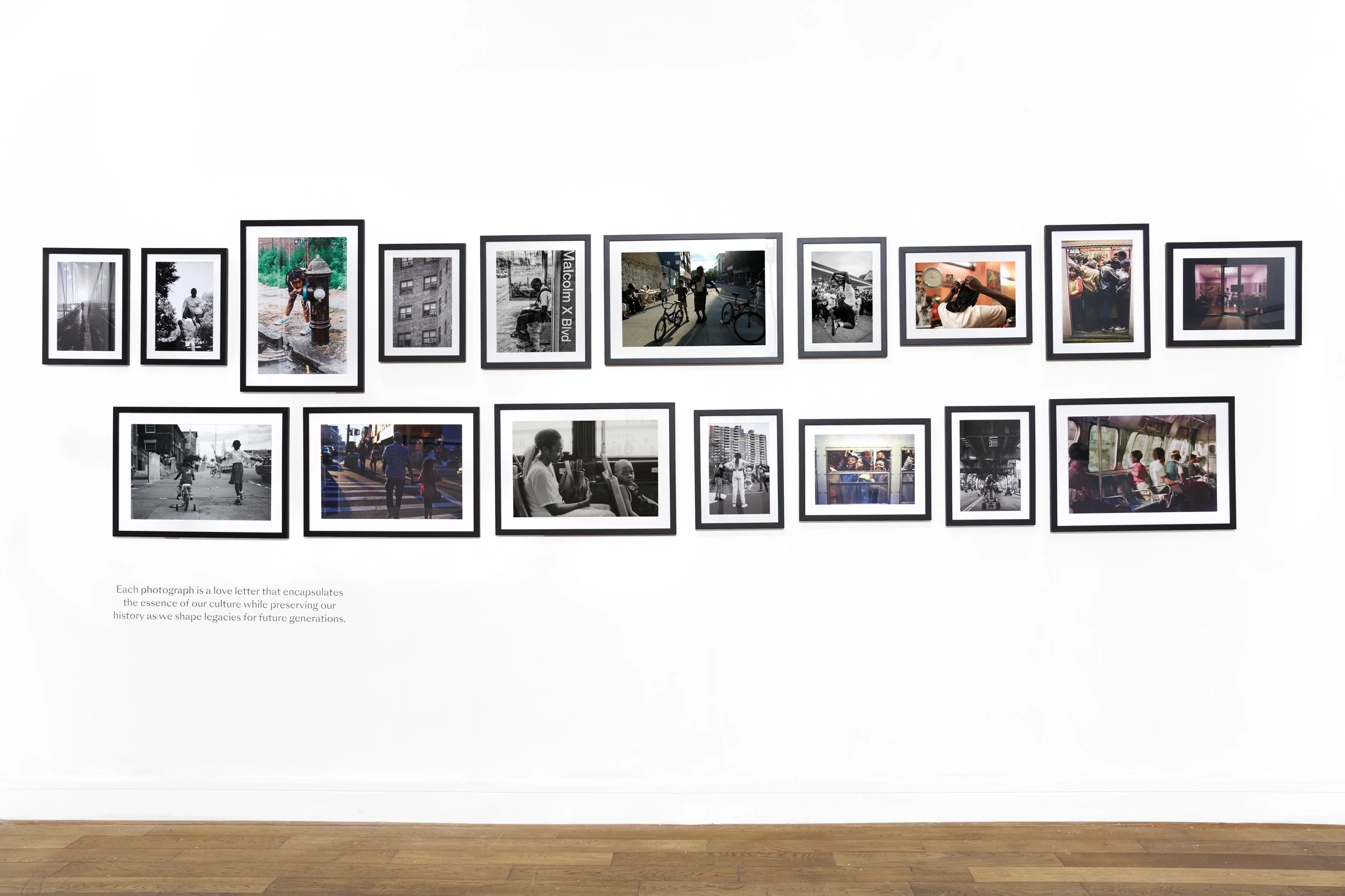
Featuring: Jamel Shabazz, Flo Ngala, Johnny Nunez, Laylah Amatullah Barrayn, Steven John Irby, Shakka, Shareif Ziyadat
Mashonda Tifrere is pleased to present Echoes of Tomorrow: We Are The Future Ancestors! This exhibition is a photographic experience in celebration of Black Music Month and Juneteenth. The presentation is a documentation of New York life and culture woven through five decades of music, politics and everyday happenings.
Each photograph is a love letter that encapsulates the essence of our culture while preserving our history as we shape legacies for future generations.
This exhibition is in partnership with The NYC Culture Club, a 501(c)(3) nonprofit organization that offers opportunities for curators and artists to host exhibitions, free of charge and commission. All shows are open to the general public. NYC Culture Club has welcomed over 120,000 visitors since opening at the World Trade Center in June of 2021.



A Time Was Had: Is An Awakening Discussion with Joy Simmons
Joy Simmons and Mashonda Tifrere engaged in an intimate dialogue as part of Art Genesis' “A Time Was Had: Is An Awakening,” delving into Simmons' illustrious career as an art collector.
Embarking on her art collection journey in 1974 with a print by Elizabeth Catlett, Simmons has transformed her home into a haven adorned with works from prominent art luminaries like Mickalene Thomas, David Hammons, Kerry James Marshall, Julie Mehretu, and Hank Willis Thomas. Her aspiration is to cultivate a collection that resonates with the essence of our time, championing Black art and culture.
Simmons eloquently expresses the profound impact of her collection, stating, “After confronting dragons throughout the day, grappling with both macro and micro aggressions as a Black woman, returning home to a curated space that nourishes and uplifts your spirit is a sanctuary. Every day, walking into my home feels like a rejuvenating experience.”

Pérez Art Museum Miami


Honoring Curator and Activist Mashonda Tifrere at the 11th Annual Art + Soul Celebration
On February 10, 2024, Pérez Art Museum Miami (PAMM) hosted its 11th annual Art + Soul Celebration, a prominent social and fundraising event in Miami dedicated to supporting and celebrating the PAMM Fund for Black Art. This year's festivities paid tribute to curator and activist Mashonda Tifrere. The event was orchestrated by co-chairs PAMM Trustee Eric Johnson and Holly Gaines, along with Tracey Robertson Carter and Christopher Carter, Patricia Howell, and honorary co-chair Deryl McKissack.
PAMM Director Franklin Sirmans expressed enthusiasm about the occasion, stating, "PAMM’s Fund for Black Art and the annual Art + Soul Celebration are always embraced as opportunities to champion our mission of supporting artists and reflecting the vibrant diversity of our community." Sirmans highlighted the honor bestowed upon Mashonda Tifrere, recognizing her longstanding commitment to creating equitable, accessible, and expansive spaces for artists through her organization, ArtLeadHER, which has been providing opportunities for women in the visual arts since 2016. Despite being renowned as a singer and songwriter, Tifrere has been a visual art collector since the age of 18, and her love for art and advocacy for artists permeate her work and impact numerous artists. Tifrere previously participated as a panelist in a 2022 museum discussion on Collecting Contemporary Caribbean Art.
In 2023, PAMM successfully raised $1.6 million for the fund. The fund, initially named the PAMM Fund for African American Art, underwent a renaming in 2022 to the PAMM Fund for Black Art to more inclusively encompass the various identities represented, including those from Latin America and the Caribbean, in addition to the African Diaspora. Notable acquisitions for the museum in 2023 included "With a Heart of Gold," an installation crafted from recycled women's shoes by Willie Cole, and "The Blues," a multi-paneled photographic work by Carrie Mae Weems. Past Art + Soul honorees feature Jesse Williams, Dr. Lowery S. Sims, Pamela Joyner, and David Alan Grier.

WHAT IS ART LEADHER?
After many years of collecting art and connecting with the artists themselves, Mashonda Tifrere saw an opportunity to support emerging and existing artists in spaces where they are underrepresented.
[Notes from the Top of the South | Artist, Lindsay Adams]
Why Art LEADHER?
-
Awareness
Women and people of color are continually underrepresented in the art world. We are here to amplify their work.
-
Connection
We listen to the stories and visions of each artist to ensure that are suited to represent their best interests as artists and entrepreneurs.
-
Protection
We vet all of our buyers to ensure that the integrity of each piece is upheld by whoever collects them. That means less chances of auctions!

AS SEEN IN